

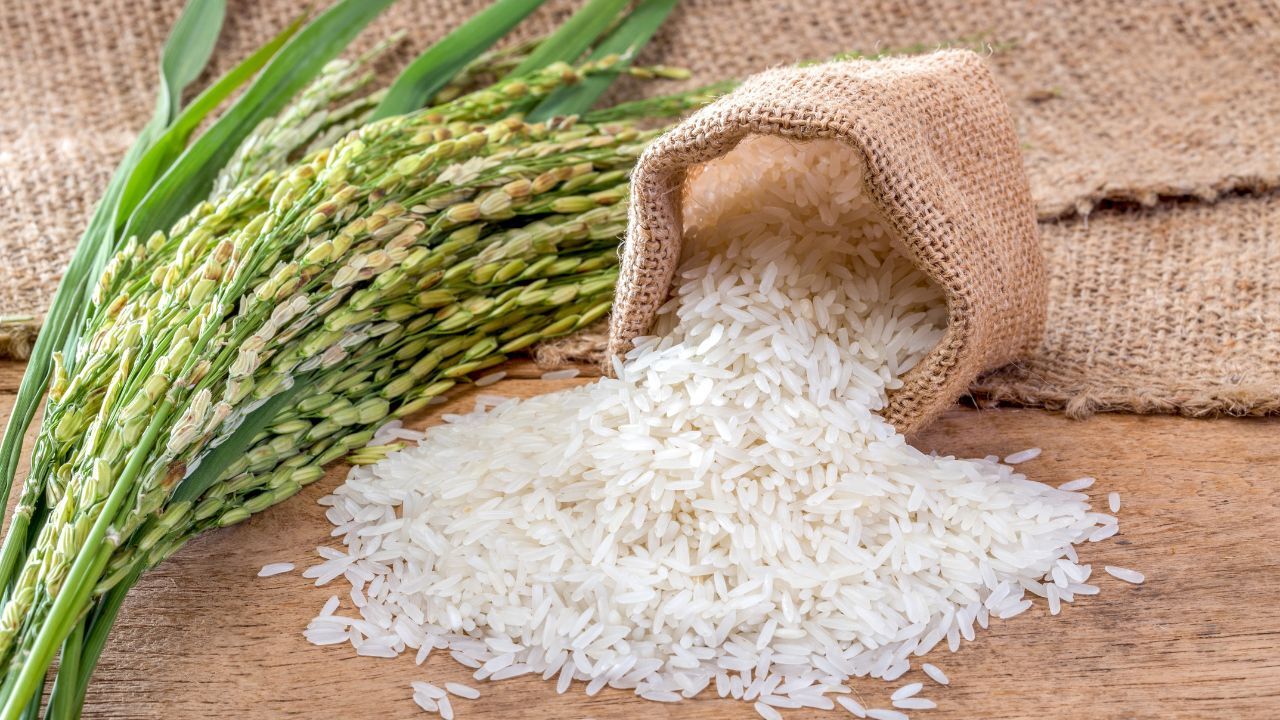
Walk into a grocery store anywhere in the Middle East, the United Kingdom, the United States, or Southeast Asia, and you will find Basmati rice on the shelf. It is not a trend — it is a staple. Basmati rice has been an internationally traded commodity for decades, and its demand shows no sign of slowing down. In fact, global Basmati exports from India have consistently grown year after year, making it one of the most valuable agricultural export products in the country.
But what makes Basmati so enduringly popular? Why do importers, retailers, and consumers worldwide keep coming back to this one variety over all others? And what does this mean for businesses looking to import Basmati rice from India?
In this article, we explore the unique qualities of Basmati rice, the global trade landscape surrounding it, and what international buyers should know when sourcing this premium product.
What Makes Basmati Rice Different from Other Rice Varieties?
The most obvious answer is its aroma. Basmati rice contains a naturally occurring compound called 2-acetyl-1-pyrroline, which gives it a distinctively nutty, popcorn-like fragrance that is released during cooking. No other rice variety in the world produces this aroma to the same degree, which is why Basmati cannot be easily replicated or substituted by cheaper alternatives.
But it is not just the fragrance. Basmati rice has several qualities that make it genuinely superior for a wide range of culinary applications:
Long-Grain Structure: Raw Basmati grains are already longer than most rice varieties. When cooked, they elongate further — sometimes doubling in length — while remaining light, fluffy, and separate. This makes it ideal for dishes like biryani, pilaf, and fried rice, where a clumpy texture would ruin the dish.
Low Glycemic Index: Compared to regular white rice, Basmati has a lower glycemic index (GI), meaning it causes a slower rise in blood sugar levels after eating. As health consciousness grows among consumers globally, this quality has become increasingly valued.
Aged for Quality: Premium Basmati rice is aged after harvest — typically for a minimum of one year. This aging process reduces moisture content, intensifies the grain’s aroma, and improves its cooking performance. Aged Basmati is the gold standard in international markets.
Geographical Indication (GI) Protection: Authentic Indian Basmati rice is protected by a Geographical Indication (GI) tag, similar to how Champagne wine is protected by its region of origin. Only rice grown in specific regions of India (and parts of Pakistan) can legally be sold as Basmati. This protection adds to its premium status in global trade.
The Global Basmati Rice Market — Key Facts
India is the world’s largest exporter of Basmati rice, accounting for roughly 65–70% of global Basmati supply. Major destination markets include:
- Middle East: Saudi Arabia, UAE, Iraq, Kuwait, and Qatar are among the top importers, where Basmati is an everyday household staple and a cultural food item in the region’s diverse population.
- Europe: The United Kingdom has a large South Asian diaspora and a well-established ethnic food retail sector that drives consistent Basmati demand. Germany, Belgium, and the Netherlands also import significant volumes.
- North America: The United States and Canada import Basmati for both South Asian community retail and mainstream grocery channels.
- Southeast Asia: Malaysia, Singapore, and Australia have growing South Asian populations and diverse food cultures that have embraced Basmati rice.
- Africa: East African countries with Indian communities, as well as West African nations where rice is a dietary staple, represent growing import markets.
What International Importers Should Look for When Sourcing Basmati
For businesses importing Basmati rice, quality evaluation is critical. Not all Basmati on the market is equal, and the difference between a mediocre and a premium product can significantly impact your customer satisfaction and brand reputation. Here are the key parameters to assess:
1. Grain Length: Look for an average grain length of 7.5mm or above (raw), with cooked length reaching 8mm or more. Longer grains command better prices and appeal to premium buyers.
2. Broken Grain Percentage: A lower broken grain percentage (ideally below 1–2%) indicates better milling quality and freshness. High breakage leads to mushy rice when cooked.
3. Moisture Content: Premium Basmati should have a moisture content at or below 14%. Higher moisture increases the risk of spoilage during shipping and storage.
4. Aroma Strength: The characteristic Basmati fragrance should be detectable even in the raw grain. Ask for samples and assess aroma before placing a bulk order.
5. Ageing Period: Enquire whether the rice has been aged and for how long. Aged Basmati is more expensive but delivers superior cooking performance and aroma.
6. Certifications: Ensure your supplier can provide phytosanitary certificates, certificate of origin, and any certifications required by your destination country’s food import authorities.
Why Sourcing Directly from India Gives You a Competitive Advantage
Many importers source Basmati through intermediaries in third countries, which adds cost, reduces transparency, and can compromise freshness. Sourcing directly from an Indian exporter like Maanya Global Trading eliminates these inefficiencies. Direct sourcing means you get:
- Fresher product with shorter handling chains
- Competitive FOB pricing without unnecessary margins
- Full traceability from origin farm to export
- Direct control over packaging and labelling requirements
- Faster communication and problem resolution
India’s export infrastructure for Basmati is mature, with established shipping routes, experienced freight forwarders, and well-developed regulatory compliance processes. Working with a reliable, experienced Indian exporter removes the complexity and gives you a consistent, quality-assured product that your customers will return to.
Final Thoughts
Basmati rice is not just a food commodity — it is a globally recognized premium product with a loyal customer base that spans every continent. For importers and distributors, it represents a reliable, high-demand item that drives both volume and margin. The key to building a successful Basmati import business is finding the right Indian supply partner — one who understands quality, manages the export process professionally, and treats your business as a long-term relationship rather than a one-off transaction.
At Maanya Global Trading, we are committed to being exactly that partner. From our base in Hyderabad, we supply premium Indian Basmati rice to buyers worldwide — with the quality assurance, documentation support, and customer service that international trade demands.
Interested in sourcing Basmati rice from India? Contact us at info@maanyaglobal.com or call +91 9247 671 947.