

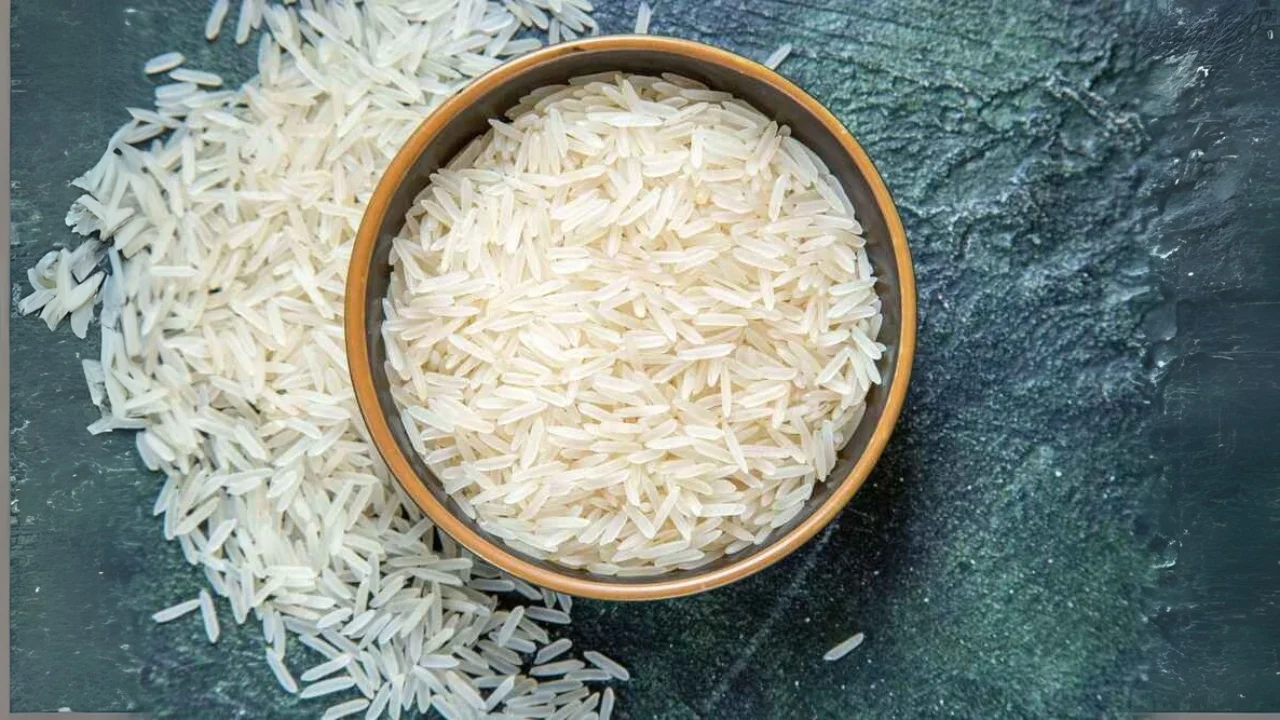
If you are an importer or distributor looking to add Indian rice to your product portfolio, you will quickly encounter two names that dominate the conversation: Basmati and Sona Masoori. Both are excellent products, both are widely exported from India, and both have loyal consumer bases around the world. But they are fundamentally different products — in terms of grain type, culinary use, target audience, and price positioning.
Understanding these differences is not just academic. It directly affects which product is the better fit for your specific market, your customer base, and your business model. In this guide, we break down the key differences between Basmati and Sona Masoori rice so you can make a more informed sourcing decision.
The Basics: Two Very Different Rice Varieties
Basmati Rice is a long-grain aromatic rice grown in the northern regions of India, particularly in Haryana, Punjab, Uttar Pradesh, and Uttarakhand. It is defined by its fragrance, its extraordinary grain elongation during cooking, and its premium market positioning. Basmati is most commonly used for biryani, pilaf, and dishes where grain separation and aroma are essential to the dish’s character.
Sona Masoori Rice, on the other hand, is a medium-grain, lightweight rice grown in South India — primarily in the states of Andhra Pradesh, Telangana, and Karnataka. It is the everyday household rice of South India. It has a mild, pleasant aroma, a softer and slightly sticky texture when cooked, and a lighter body compared to most rice varieties. It is the go-to rice for South Indian dishes like idli batter, pongal, pulao, steamed rice, and a variety of regional preparations.
These two varieties serve very different culinary purposes, which means they also serve very different market segments.
Key Differences at a Glance
Grain Size: Basmati has extra-long, slender grains (typically 7.5mm+ raw, elongating to 8.3mm+ when cooked). Sona Masoori grains are medium-length, rounder, and more compact.
Texture When Cooked: Basmati cooks to a fluffy, non-sticky, separated grain structure. Sona Masoori cooks to a softer, slightly sticky texture that holds together gently — preferred for many South Indian dishes where rice is served with wet curries, sambhar, or rasam.
Aroma: Basmati has a strong, distinctive nutty fragrance that is immediately recognizable. Sona Masoori has a milder, lighter aroma that is pleasant but not dominant.
Price Point: Basmati is generally priced higher due to its GI-protected status, longer processing time, ageing requirements, and premium market positioning. Sona Masoori is more affordably priced, making it accessible for a broader range of consumers and a high-volume product for everyday use.
Caloric and Nutritional Profile: Sona Masoori is considered lighter and easier to digest than regular white rice. It has a relatively lower starch content compared to many other non-Basmati varieties, which appeals to health-conscious consumers.
Who Buys Basmati Rice?
Basmati’s primary consumer base is diverse and growing:
- South Asian diaspora communities in the UK, Canada, USA, UAE, and Australia, for whom Basmati is a cultural staple
- Middle Eastern consumers in Saudi Arabia, Iraq, Kuwait, and the Gulf region, where rice-based dishes like kabsa and mandi are central to the cuisine
- Premium grocery and specialty food retailers who stock Basmati as a high-margin, branded product
- Hotels, restaurants, and catering businesses serving South Asian or Middle Eastern cuisine
- Health-conscious consumers interested in low-GI grain options
The Basmati buyer is willing to pay more for quality and is often loyal to a preferred brand or origin. This makes Basmati an excellent product for building premium positioning in your market.
Who Buys Sona Masoori Rice?
Sona Masoori has a different but equally strong buyer profile:
- South Indian diaspora communities in the UK, USA, Canada, Australia, Malaysia, Singapore, and across the Gulf, who grew up eating Sona Masoori as a daily staple
- South Indian and Sri Lankan restaurants that rely on Sona Masoori for authentic dishes, idli and dosa batter production, and everyday meal service
- Wholesale distributors who need a high-volume, reliably priced everyday rice option for their ethnic grocery retail clients
- Health-conscious buyers looking for a lighter rice option with a softer texture and easy digestibility
- Budget-conscious family buyers who want good-quality rice at a more accessible price point
Sona Masoori is a volume product. While the margins per unit may be lower than Basmati, the volume potential is enormous, especially in markets with established South Indian communities.
Which One Should You Import?
The answer depends on your market, your distribution channel, and your business goals.
Choose Basmati if: You are targeting a premium grocery retail channel, a Middle Eastern market, or South Asian diaspora communities in developed markets where consumers are willing to pay for quality. Basmati also works well for restaurant and hotel supply chains where dish quality and aroma matter.
Choose Sona Masoori if: You are targeting South Indian diaspora communities, South Indian restaurants, or any market segment looking for an authentic, everyday rice variety at a competitive price point. It is also an excellent private-label product for distributors building their own food brand.
Choose Both if: You want a complete Indian rice offering. Many distributors and retailers stock both varieties to serve the full spectrum of their South Asian customer base — Basmati for premium and occasion-based use, Sona Masoori for everyday consumption.
A Note on Quality Across Both Varieties
Regardless of which variety you choose to import, quality consistency is non-negotiable. One poor shipment can damage your customer relationships significantly. When evaluating Indian rice suppliers, insist on:
- Product samples before placing bulk orders
- Clear specification sheets including grain length, moisture content, and broken grain percentage
- Pre-shipment quality inspection reports
- Proper phytosanitary and origin certifications
- Transparent communication about processing, packaging, and shipping timelines
A good supplier will welcome these requirements — because they share your commitment to quality.
Conclusion
Both Basmati and Sona Masoori rice offer excellent commercial opportunities for international importers. They serve different market segments, meet different culinary needs, and appeal to different consumer profiles. The smartest approach for most distributors is to understand the specific communities and cuisines in their target market and stock accordingly.
At Maanya Global Trading, we supply both premium Basmati and Sona Masoori rice to international buyers, with full support for quality assurance, packaging, documentation, and logistics. Whether you are building a rice import business from scratch or expanding an existing portfolio, we are here to support your growth.
Get in touch with us today: 📧 info@maanyaglobal.com | 📞 +91 9247 671 947 | 🌐 www.maanyaglobal.com